Featured
No-Cost Educational Your Section 8 Housing Application Gu...
Documents You'll Need for Bankruptcy Counseling for Begin...
A Biased View of Staying Away From the Previous Mistakes ...

Little Known Facts About First Assessment with a Counselor.

The Facts About Is Bankruptcy Work for Your Case Revealed
Table of Contents
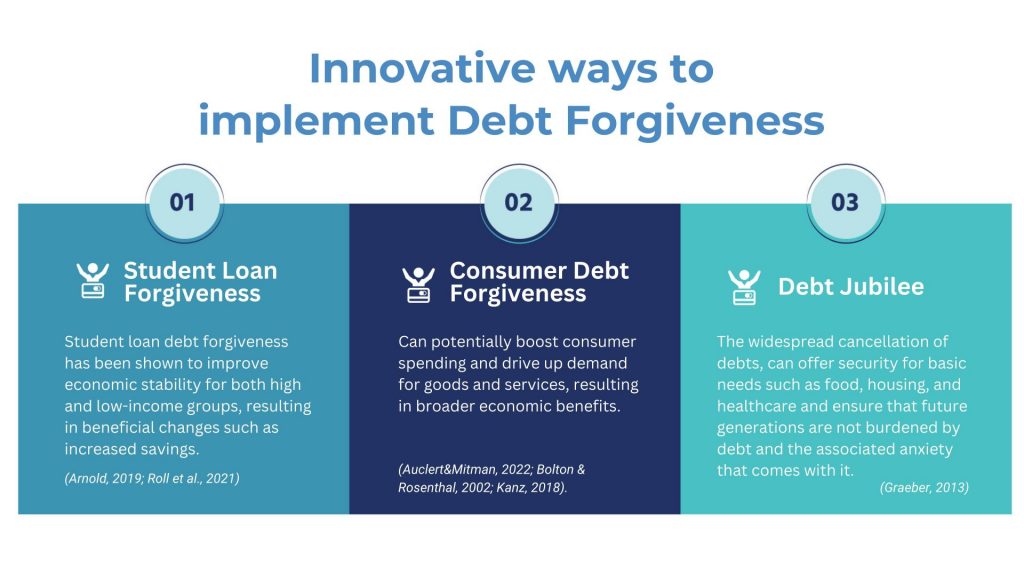
That liberates money in the brief term, and you might have 3 to four years to save toward the settlement quantity. Very hazardous to credit report, mostly because of missed payments and an unfavorable "resolved" mark that could remain on your credit history report for approximately seven yearsMay be only alternative if other options (financial obligation combination, equilibrium transfer debt cards, debt mercy) aren't possibleTypically needs a fee to the 3rd event, which might balance out some or every one of the savings from debt settlementMay assist you stay clear of bankruptcy if you have actually missed out on numerous paymentsNot all creditors collaborate with debt settlement business Financial debt mercy may be ideal for you if you are experiencing a financial difficulty that makes it nearly difficult to pay for your financial obligation equilibriums.
With a DMP, you make one month-to-month repayment to the credit rating therapy company. Those funds are then distributed to lenders of your unsafe debts, such as bank card and installment car loans. The firm collaborates with your lenders to lower rate of interest or waive charges, however some lenders may decline such concessions.
It can aid you pay down financial debt if you're able to safeguard a car loan price that's lower than the typical rate of the accounts you're consolidating. You must abstain from racking up financial debt on those recently removed accounts or your financial obligation can grow even higher.
That gives you plenty of time to get rid of or substantially lower your equilibrium while making interest-free repayments.
Understanding Fees for Bankruptcy Counseling - An Overview
You may require it if your lender or a debt collector ever attempts to gather on the financial debt in the future. The letter might confirm you do not owe what the debt collection agency's records show. Yes, in the majority of situations, the IRS takes into consideration forgiven financial obligation as taxable earnings. When a lender forgives $600 or even more, they are needed to send you Type 1099-C.
Financial obligation mercy or settlement nearly always injures your debt. Anytime you resolve a debt for less than you owe, it may look like "cleared up" on your credit score report and affect your credit history for 7 years from the date of negotiation. Your credit history can likewise drop considerably in the months leading to the mercy if you fall back on payments.
The smart Trick of "Debt Forgiveness Ruins Your Credit" and More Lies That Nobody is Talking About
This scenario commonly results from underreporting revenue, not submitting returns on time, or discrepancies discovered throughout an IRS audit. The consequences of accumulating tax obligation debt are severe and can include tax obligation liens, which provide the IRS a legal insurance claim to your residential or commercial property as protection for the financial debt.
Earnings and Bank Accounts Internal revenue service can levy (confiscate) salaries and financial institution accounts to satisfy the financial debt. Building Seizure In severe instances, the IRS can confiscate and offer residential property to cover the financial debt.
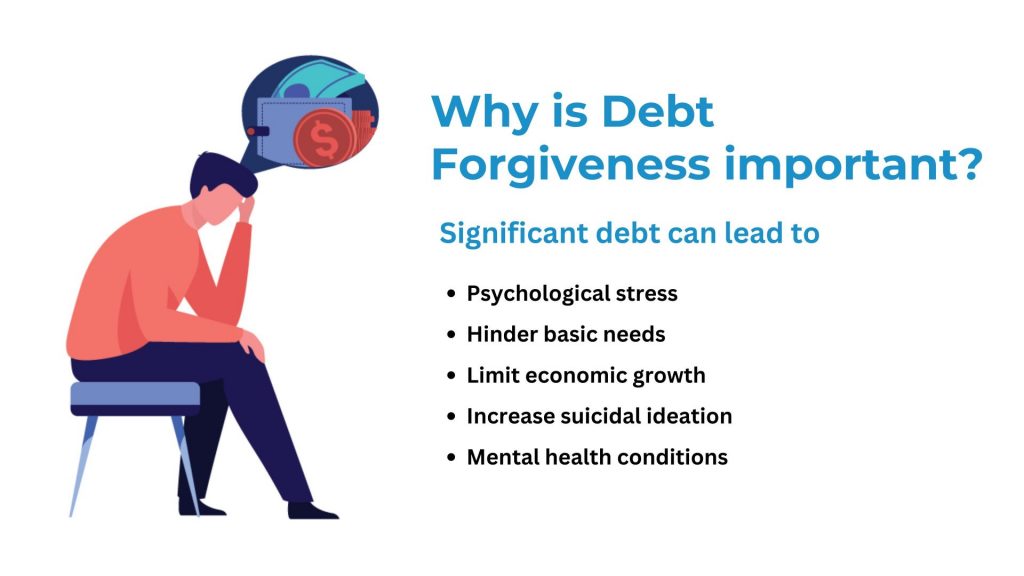
Depression, stress and anxiety, and other psychological health and wellness issues. Social Stigma Facing legal activity from the internal revenue service can bring social preconception. Damages to track record and connections. Work Opportunities An inadequate credit report because of tire financial obligation can limit work chances. Trouble searching for or keeping a job. Federal government Advantages Tax financial obligation might affect qualification for federal government advantages, such as Social Security and Medicaid.
Some Known Details About How Top Providers Differ in the Industry
The OIC takes into consideration numerous variables, consisting of the taxpayer's earnings, costs, property equity, and capability to pay. Efficiently negotiating an OIC can be complex, requiring an extensive understanding of the internal revenue service's guidelines and a solid debate for why your offer lines up with your ability to pay. It's crucial to keep in mind that not all applications are accepted, and the process requires in-depth economic disclosure.
The internal revenue service assesses your overall financial circumstance, including your earnings, expenditures, property equity, and capability to pay. You need to additionally be present with all filing and payment needs and not be in an open insolvency proceeding. The internal revenue service likewise considers your compliance background, examining whether you have a record of prompt filing and paying tax obligations in previous years.
The Only Guide to Building Your Path to Stability
The application process for a Deal in Concession entails a number of comprehensive steps. You have to finish and send Internal revenue service Type 656, the Offer in Compromise application, and Form 433-A (OIC), a collection details declaration for individuals. These forms call for comprehensive monetary info, including details concerning your revenue, financial obligations, costs, and assets.
Back taxes, which are unsettled taxes from previous years, can substantially raise your complete IRS debt otherwise attended to without delay. This debt can accrue passion and late payment penalties, making the original amount owed a lot bigger in time. Failing to pay back tax obligations can lead to the internal revenue service taking enforcement actions, such as releasing a tax lien or levy against your home.
It is crucial to deal with back taxes asap, either by paying the sum total owed or by setting up a layaway plan with the IRS. By taking aggressive actions, you can avoid the accumulation of extra passion and fines, and stop more aggressive collection actions by the internal revenue service.
One usual reason is the idea that the taxpayer can pay the total either as a round figure or through a settlement plan. The IRS also considers the taxpayer's income, expenditures, possession equity, and future earning possibility. If these variables suggest that the taxpayer can manage to pay even more than the used amount, the internal revenue service is likely to decline the offer.
Some Known Details About Documents to Gather for How to Recover Financially After Job Loss
It is important to offer accurate and complete info in your application and to talk to a tax obligation expert to improve the chances of approval. Dealing with IRS financial debt can be intricate and complicated. Tax specialists, such as CPAs, tax lawyers, or enlisted agents, can offer invaluable aid. They have the proficiency to navigate the ins and outs of tax obligation legislation and internal revenue service treatments.

Table of Contents
Latest Posts
No-Cost Educational Your Section 8 Housing Application Guide (Plus Counseling Support) : APFSC Materials Available by APFSC - Questions

Documents You'll Need for Bankruptcy Counseling for Beginners

A Biased View of Staying Away From the Previous Mistakes After AI & Automation in Financial Counseling: Tools
More
Latest Posts
Documents You'll Need for Bankruptcy Counseling for Beginners
A Biased View of Staying Away From the Previous Mistakes After AI & Automation in Financial Counseling: Tools