Featured
No-Cost Educational Your Section 8 Housing Application Gu...
Documents You'll Need for Bankruptcy Counseling for Begin...
A Biased View of Staying Away From the Previous Mistakes ...

Little Known Facts About First Assessment with a Counselor.
The Only Guide to What's Ahead in Bankruptcy Counseling Solutions
Table of Contents
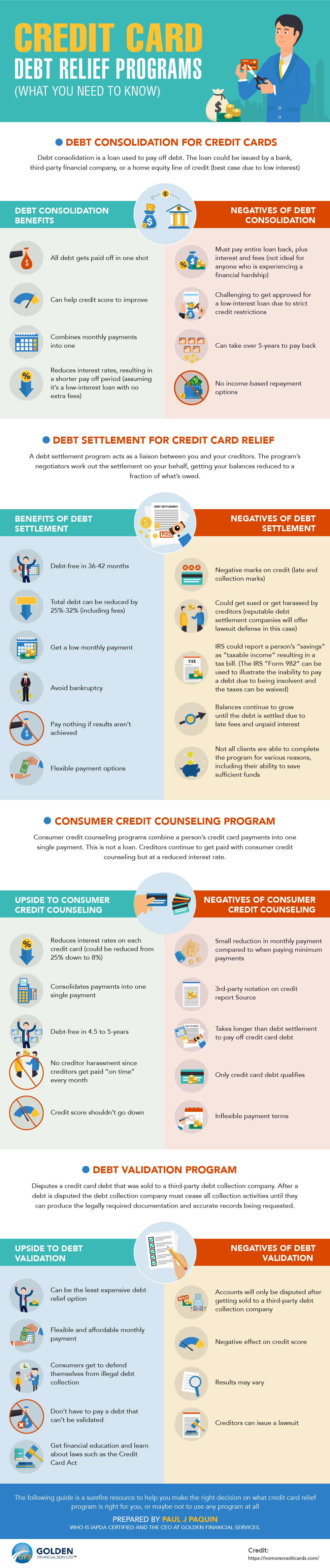
That maximizes cash in the short-term, and you may have 3 to four years to conserve towards the settlement amount. Very damaging to credit ratings, largely because of missed out on repayments and a negative "resolved" mark that could remain on your debt report for up to seven yearsMay be only alternative if various other options (financial debt loan consolidation, equilibrium transfer credit history cards, financial obligation mercy) aren't possibleTypically needs a charge to the 3rd party, which can balance out some or all of the savings from financial obligation settlementMay help you prevent bankruptcy if you have actually missed out on several paymentsNot all financial institutions function with financial debt settlement firms Financial obligation forgiveness may be appropriate for you if you are experiencing a financial challenge that makes it nearly difficult to pay for your financial obligation balances.
With a DMP, you make one regular monthly settlement to the credit history therapy firm. Those funds are after that distributed to creditors of your unsecured debts, such as credit scores cards and installment financings. The firm functions with your lenders to decrease interest rates or waive fees, however some financial institutions may reject such concessions.
It can aid you pay down debt if you're able to protect a loan rate that's lower than the average rate of the accounts you're settling. You have to avoid from racking up debt on those newly cleared accounts or your financial debt can grow even greater.
That offers you plenty of time to get rid of or considerably reduce your balance while making interest-free payments.
Some Known Questions About The Benefits to Consider When Considering Bankruptcy.
You might need it if your financial institution or a collection firm ever before tries to collect on the financial debt in the future. When a lending institution forgives $600 or even more, they are called for to send you Form 1099-C.
Financial debt mercy or negotiation often harms your debt. Anytime you work out a financial debt for much less than you owe, it might show up as "settled" on your credit score report and affect your credit history for 7 years from the day of settlement. Your credit scores can also go down substantially in the months bring about the mercy if you fall behind on payments.
The 8-Minute Rule for Mandatory Paperwork When Pursuing Achieve Financial Stability with Counseling : APFSC
This circumstance often results from underreporting earnings, not filing returns on time, or discrepancies located throughout an IRS audit. The consequences of building up tax financial obligation are major and can consist of tax liens, which offer the IRS a lawful insurance claim to your property as security for the financial debt.
Greater rates of interest on available debt. Incomes and Bank Accounts IRS can impose (seize) incomes and checking account to please the financial debt. Minimized income and disruption of essential monetary procedures. Building Seizure In severe instances, the internal revenue service can confiscate and sell residential or commercial property to cover the financial obligation. Loss of beneficial assets and possible displacement.
Social Stigma Dealing with legal activity from the IRS can bring social preconception. Employment Opportunities An inadequate credit rating rating due to strain financial debt can restrict employment possibilities. Federal government Advantages Tax debt may affect qualification for government benefits, such as Social Safety and Medicaid.
Not known Factual Statements About Creating Your Custom Route to Relief
The OIC considers numerous variables, consisting of the taxpayer's income, expenditures, property equity, and capacity to pay. Efficiently negotiating an OIC can be complicated, requiring a detailed understanding of the internal revenue service's standards and a solid disagreement for why your deal aligns with your capacity to pay. It is very important to keep in mind that not all applications are accepted, and the process requires comprehensive economic disclosure.
The internal revenue service examines your general financial scenario, including your income, costs, property equity, and ability to pay. You have to likewise be current with all filing and repayment demands and not be in an open bankruptcy case. The IRS additionally considers your conformity background, examining whether you have a document of timely filing and paying taxes in previous years.
Fascination About Economic Uncertainty and How More People Need Are Seeking Achieve Financial Stability with Counseling : APFSC
The application process for a Deal in Compromise entails a number of thorough steps. Initially, you have to complete and submit internal revenue service Kind 656, the Offer in Concession application, and Form 433-A (OIC), a collection details statement for individuals. These kinds require extensive monetary info, consisting of details regarding your income, debts, expenses, and possessions.
Back tax obligations, which are unsettled tax obligations from previous years, can dramatically raise your total internal revenue service financial debt if not addressed without delay. This financial obligation can accrue passion and late repayment fines, making the initial quantity owed a lot larger over time. Failing to pay back tax obligations can cause the internal revenue service taking enforcement activities, such as releasing a tax lien or levy against your residential property.
It is necessary to attend to back tax obligations asap, either by paying the total owed or by preparing a layaway plan with the internal revenue service. By taking aggressive actions, you can avoid the buildup of additional interest and fines, and prevent much more aggressive collection activities by the IRS.
One usual reason is the belief that the taxpayer can pay the total either as a round figure or through a settlement strategy. The IRS additionally takes into consideration the taxpayer's earnings, expenditures, asset equity, and future earning possibility. If these elements show that the taxpayer can pay for to pay more than the offered quantity, the internal revenue service is likely to turn down the offer.
How Regional Resources That Offer Financial Assistance can Save You Time, Stress, and Money.
It is crucial to provide precise and total details in your application and to seek advice from a tax professional to enhance the possibilities of approval. Taking care of internal revenue service financial debt can be intricate and daunting. Tax obligation specialists, such as CPAs, tax lawyers, or signed up representatives, can provide important aid. They have the competence to browse the complexities of tax obligation legislation and IRS procedures.

Table of Contents
Latest Posts
No-Cost Educational Your Section 8 Housing Application Guide (Plus Counseling Support) : APFSC Materials Available by APFSC - Questions

Documents You'll Need for Bankruptcy Counseling for Beginners

A Biased View of Staying Away From the Previous Mistakes After AI & Automation in Financial Counseling: Tools
More
Latest Posts
Documents You'll Need for Bankruptcy Counseling for Beginners
A Biased View of Staying Away From the Previous Mistakes After AI & Automation in Financial Counseling: Tools